
Don't Write Your Book Proposal Alone
How a room full of strangers taught me to write book proposals, and why I still believe the best ones are written in community.
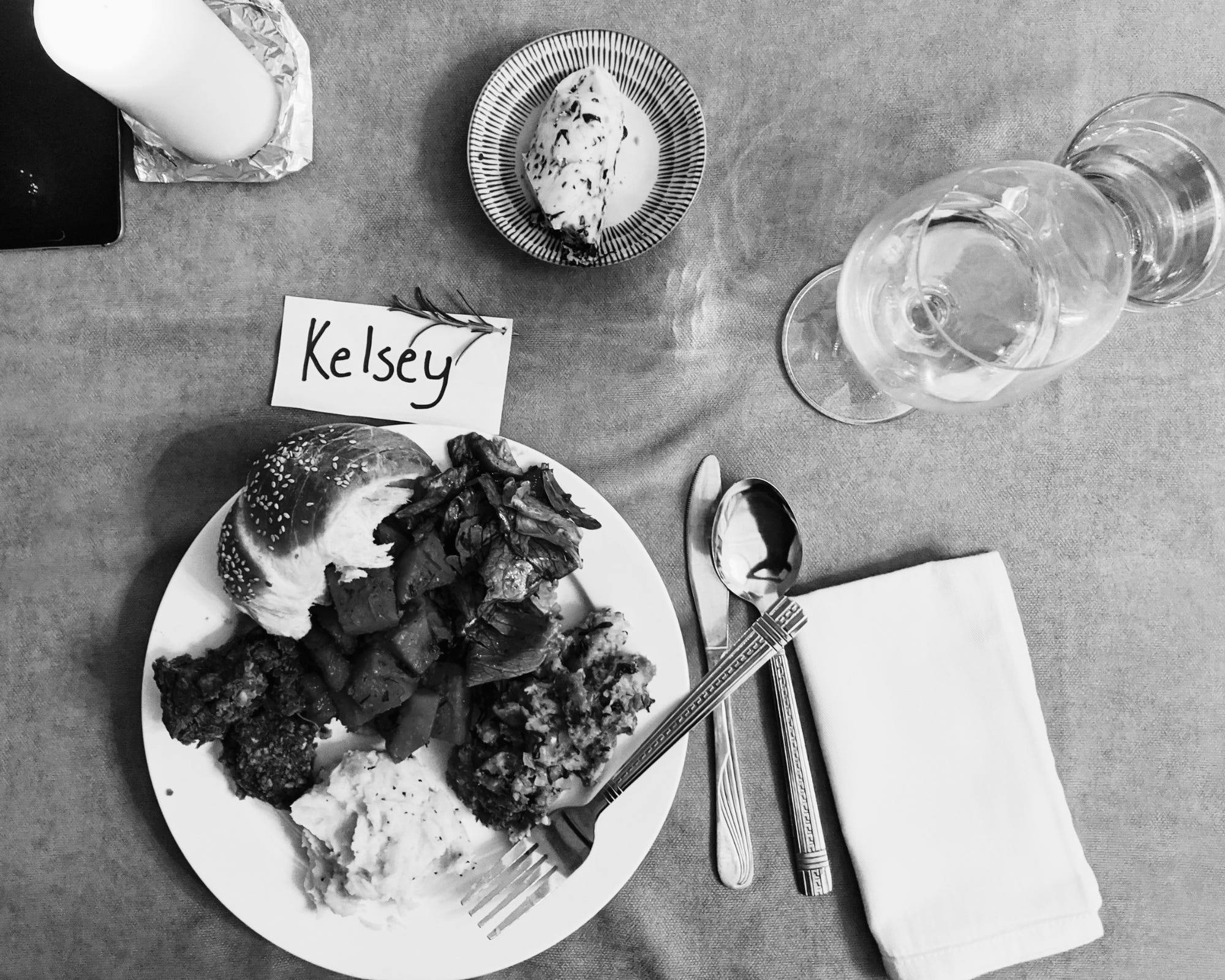
A few years ago, I was standing in my kitchen making stir-fried vegetables while listening to an episode of The Splendid Table with Francis Lam.
My daughter was a little over a year old. Since she’d been born, I’d been ghostwriting memoirs and book proposals for memoirs. I genuinely enjoyed getting to know my clients and learning the craft of writing proposals. But after a while, I found myself craving something different.
Ghostwriting a memoir is an intimate commitment. You spend months (sometimes years) living inside someone else’s story. Even when you admire your client and care deeply about their experiences, you’re constantly negotiating another person’s memories, priorities, and vision. It’s rewarding work, but it can also be exhausting.
As I stood there chopping broccoli, I remember wondering something that now seems almost embarrassingly obvious.
Do people ever ghostwrite cookbooks?
I’d loved cookbooks for years. Some people curl up with novels on Saturday mornings. I curled up with cookbooks. I’d make a cup of tea, settle onto the couch next to my dog, and read them cover to cover. Of course I cooked from them, but I also loved the stories, the headnotes, the essays, and the photography. Anything connected to food made me happy.
So I started researching and quickly discovered how little I knew.
Of course cookbook collaborators exist. In fact, collaboration is woven into the cookbook world. Chefs aren’t expected to also be professional writers. Recipe developers aren’t necessarily photographers. Food experts don’t always know how to write a compelling book proposal. Bringing together different kinds of expertise isn’t unusual. It’s often what makes a cookbook successful.
The more I learned about cookbook collaborators, the more certain I became that this was where I wanted to build my career, and the first step was finding someone willing to trust me.
I’d been teaching for about fifteen years at that point, and I reached out to a former supervisor at one of my first schools. She had since left education to open a wildly successful restaurant in my hometown.
I asked if she’d ever thought about writing a cookbook, and she said yes.
Together, we decided to create a proposal on spec. We weren’t selling a book yet; we were building the proposal we hoped would eventually convince an agent and publisher that the book deserved to exist.
There was just one problem. I had never written a cookbook proposal before.

First step in learning to write about food? Dianne Jacob’s book, for sure.
Fortunately, I’d spent fifteen years as a teacher, and I knew one thing for certain: When you want to learn something difficult, you find a classroom.
Somehow, I managed to snag one of the last spots in the last cookbook proposal workshop taught by cookbook author and collaborator Kristin Donnelly (hopefully not the last one ever!).
Every week, I logged on with an incredible group of food writers, recipe developers, photographers, and future cookbook authors, including Rebecca Eisenberg, author of Small Batch Breads, and Bobbi Lin, whose gorgeous food photography regularly appears in The New York Times.
Each week, we worked through the proposal one section at a time. I asked questions. A lot of questions (an occupational hazard of being a teacher).
Kristin answered them with generous, thoughtful feedback. When something wasn’t working, she told me why. When I was heading in the right direction, she pushed me further. My classmates asked questions I hadn’t thought to ask. They solved problems I didn’t even know existed.
When one of us got stuck, we all talked through it. When someone found the perfect comp title, we celebrated. When someone landed an agent or a book deal months later, we celebrated again. Looking back, I learned far more than how to write a cookbook proposal. I learned what it feels like to build a book alongside other people.
That experience changed my career.
Today, I’ve written or consulted on dozens of book proposals across memoir, cookbooks, thought leadership, and narrative nonfiction. I’m currently on submission with a cookbook proposal and working out edits on a food memoir proposal. But whenever someone asks me how to write a strong proposal, I rarely start by talking about market analyses or chapter summaries.
I tell them not to do it alone.
Because writing a proposal isn’t just about learning a format. It’s about having people to read your work before an agent does and getting feedback before you’ve spent three months heading in the wrong direction. It’s about breaking an overwhelming project into manageable pieces. It’s about borrowing someone else’s confidence on the days you’ve misplaced your own. It’s about seeing how another writer solved the exact problem you’re wrestling with. And maybe most importantly, it’s about remembering that publishing isn’t something you have to navigate by yourself.
That’s the philosophy behind our 12-week Book Proposal Intensive at Write Up.
Every week, we work through another section of the proposal together. Writers receive personal feedback, accountability, and the opportunity to learn from one another across genres. This year’s cohort already includes a cookbook author, (illustrated!) memoirist, and nonfiction writer, and participants will also have direct access to three literary agents in dedicated pitch sessions.
By the end, our goal isn’t simply that you’ve learned how to write a proposal. It’s that, like I did, you leave with something even more valuable: the confidence, clarity, and community to keep building the writing career you want.
When I wrote my first cookbook proposal, I thought I needed more experience. What I really needed was a classroom.
I still believe that’s the best place to write a book proposal.
This article was contributed by Kelsey Erin Shipman, a memoir and cookbook ghostwriter, educator, and co-founder of Write Up. She's currently on submission with one book proposal, trying very hard not to check her email every five minutes, and writing another proposal because sleep is for the weak. Read more of her personal writing at Cheese Toast with White People.